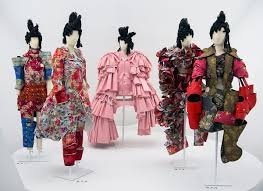
The Influence of Comme des Garçons on Global Fashion
Few brands in the context of the modern fashion business have crossed the boundary dividing street wear and the luxury as much as Comme des Garcons. The brand was established in 1969 by a Japanese designer, Rei Kawakubo, and it has established a reputation of breaking the norm and reinventing the concept of luxury. The impact of Comme des Garcans, however, goes much deeper than the high-end runways, influencing street culture, determining individuality, and influencing a whole generation of fashion lovers across the globe.
The History of Comme des Garçons
Comme des Garçons started in the avant-garde neighborhood of Tokyo in the late 1960s, when Rei Kawakubo began creating non-conformist, sculptural fashions, which challenged the normalcy of fashion. The brand was not aimed at glamour and perfection in the way traditional luxury houses were. Rather, it was investigating the imperfection, asymmetry, and rebellion – things that were not connected with the luxury fashion in those days.
When Comme des Garçons launched in Paris in 1981, the anti-fashion style of the dresses left the critics astonished and perplexed. Black, shredded garments, and battered fabrics were symbolic of a new way of thinking about a design, one that put an emphasis on expression as opposed to tradition. This aggressive strategy was the seed to the future of the contemporary luxury street wear movement.
Destroying the Fence between Streetwear and Luxury.
Before the emergence of Comme des Garcans, luxury fashion used to be mainly about exclusivity, sophistication, or prestige. On the contrary, streetwear was based on urban culture, skateboarding, and music. Rei Kawakubo broke this barrier by combining the two worlds together, namely, combining high-fashion craftsmanship with the underground culture and its rough energy.
With collaborations, conceptual stores, and limited-edition pieces, Comme des Garcans contributed to the development of a new hybrid: luxury streetwear. The strategy of the brand is what would guide subsequent designers and brands (Off-White and Balenciaga as well as Supreme) to combine couture with streetwear, sneakers with tailored clothes, and art with style.
The Strength of Cooperation: Creating Culture Crossings.
The partnerships of Comme des Garcans have become a legend. Collaborating with brands in different sectors, the label demonstrated that luxury could be affordable, fun and topical. Among the most recognizable ones, there is Comme des Garcans PLAY x Converse, which transformed the minimalist heart logo of the brand into the symbol of the street style worldwide.
Likewise, partnerships with Nike, Supreme and Gucci were also evidence of how high fashion can shine in the daily culture. These collaborations enabled Comme des Garcans to reach more youthful groups without breaking its luxury DNA – a strike that has proven necessary in the digital era.
Rei Kawakubo Vision: Fashion as Art.
Rei Kawakubo has never considered fashion as an ornamental tool, but as a form of communication. Her works tend to defy societal norms, touching on issues of gender, beauty and identity. This philosophy of art turned Comme des Garçons into something bigger than a brand – it became a cultural movement.
Kawakubo developed the intellectual and emotional aspect of fashion, making it a source of inspiration to designers around the globe to go beyond market fads. What it has led to is a new generation of fashion narrative in which creativity and self-expression are as important as material wealth.
The Comme des Garcans influence on the internationally recognized streetwear.
Comme des Garçons has permeated into the global streetwear culture, Tokyo to New York. Minimalist but rebellious style The simple but defiant appearance of the brand meets the need of authenticity by youth culture.
The modern definition of streetwear is no longer that of hoodies and sneakers, but an identity, attitude and art. The experimentation of CDG Clothing was the stepping stone towards this development, as it encouraged new labels and individual designers to go further, without fear. Even the well-established luxury houses have embraced the streetwear component, releasing capsule collections and sneakers that are based on the fearless attitude of Kawakubo.
Retail Reinvented: The Dover Street Market Revolution.
In 2004, Rei Kawakubo and her partner Adrian Joffe opened Dover Street Market, a concept store with multiple brands in which fashion is experienced differently. The official integration of luxury brands, experimental arts and street art figures in one roof turned Dover Street Market into reality of the Comme des Garcon philosophy.
The space is dynamic in that there is a new installation each season, and the merchandise is edited as a work of art. This new form of retailing made shopping an experience and other fashion retailers all over the world started adopting the same trend.
Cultural Impact and Legacy
The presence of Comme des Garcon is much more than just runway. The brand has turned into the icon of uniqueness and freedom of imagination – that is, they ask people to accept any flaws and challenge the beauty norms. Musicians and artists, as well as streetwear fans, who wear Comme des Garçons are a part of a wider cultural discourse. It is not just the avant-garde design but also the fact that the brand has combined all elements of art, culture, and commerce into one uninterrupted display of modern luxury.













Post Comment